
Addiction Treatment in East Texas at Cypress Lake Recovery
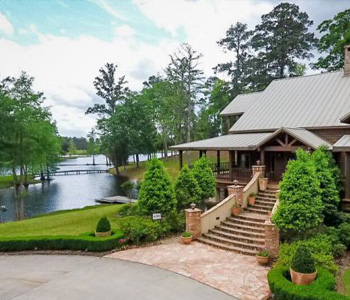
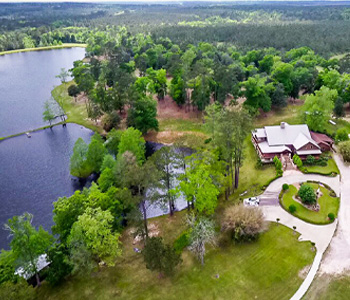
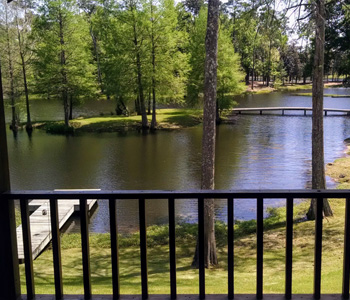
Cypress Lake Recovery provides compassionate, residential addiction treatment in East Texas for individuals seeking stability, clarity, and long-term healing. Located in a peaceful, natural setting, our program offers a structured environment where individuals can step away from daily pressures and focus fully on recovery.
Our approach blends evidence-informed therapy, holistic wellness, and experiential programming to support the whole person — mind, body, and spirit.
A Place to Heal, Reflect, and Rebuild
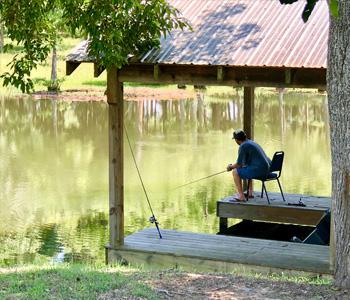
Recovery often requires distance from the routines and environments that reinforce unhealthy patterns. Cypress Lake Recovery offers a calm, supportive setting where individuals can slow down, reflect, and begin rebuilding their lives with intention. Our campus is designed to encourage connection — with nature, with others, and with oneself, maintaining structure and accountability throughout treatment.
Explore our full continuum of care through Addiction Treatment Programs.



Residential Addiction Treatment
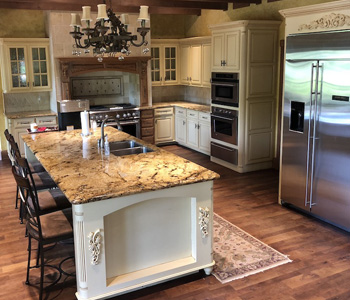
Our residential program provides round-the-clock support in a live-in setting. Clients follow a structured daily schedule that includes therapy, wellness activities, and recovery-focused programming designed to build stability and insight. Residential treatment may include:
- Individual and group therapy
- Mental health and dual diagnosis care
- Holistic and experiential practices
- Life skills and recovery planning
Learn more about Residential Treatment at Cypress Lake Recovery.
Treating the Root Cause of Substance Abuse
Individualized Addiction Treatment Programs
Nationally Recognized & Accredited

Medical Detox When Needed
Some individuals benefit from medically supervised detox before entering residential care. Detox helps the body stabilize safely and prepares individuals for deeper therapeutic work. Medical detox is provided when clinically appropriate and integrated into a broader treatment plan.
Learn more about Medical Detox Services.
Dual Diagnosis and Mental Health Care
Addiction often occurs alongside mental health conditions. Cypress Lake Recovery offers integrated dual diagnosis treatment that addresses substance use and mental health together rather than separately. We support individuals experiencing:
Learn more about our Dual Diagnosis Program.

Therapy as the Foundation of Recovery
Therapy is central to healing at Cypress Lake Recovery. Clients work closely with licensed clinicians using evidence-informed and experiential approaches to better understand emotional patterns, behaviors, and coping strategies. Our therapy offerings include:
- Individual Therapy
- Cognitive Behavioral Therapy (CBT)
- Dialectical Behavior Therapy (DBT)
- EMDR
- Family Therapy
- Holistic Therapy
Explore our Therapy Services.
Cypress Lake Recovery Accepts Most Health Insurances









Verify your benefits confidentially in minutes. Complete the form below and our admissions team will check your coverage and follow up with next steps, or call 866-338-4939 to speak with us now.
Our Mission
Guided by experienced staff, we deliver holistic and comprehensive treatment within a serene, natural setting, fostering complete recovery and transformation. We are committed to awakening the mind, body, and spirit, empowering individuals to navigate the journey to sobriety with hope and resilience.

Our Purpose
At Cypress Lake, we nurture a transformative environment that encourages deep personal connections with oneself and others, supported by practices that foster mindfulness and well-being. We are committed to guiding each individual towards a life of integrity and sustained happiness.
Preparing for Life After Treatment
Recovery continues beyond residential care. Cypress Lake Recovery helps individuals build practical skills and long-term plans to support stability after treatment. Support includes:
Continued Support and Community
Long-term recovery is strengthened through connection and accountability. Cypress Lake Recovery offers continued engagement through:
Begin Your Recovery Journey
Choosing to seek help is a meaningful first step. At Cypress Lake Recovery, we offer a supportive, structured environment where individuals can begin rebuilding their lives with clarity and purpose.
If you or someone you love is ready to explore treatment options, we invite you to contact our admissions team. Recovery is possible — and you don't have to begin alone.
Frequently Asked Questions
What types of addiction does Cypress Lake Recovery treat?
We provide treatment for a wide range of substance use and behavioral addictions, including alcohol, opioids, meth, stimulants, and prescription drugs. Each treatment plan is tailored to the individual.
Do you offer mental health treatment?
Yes. Through integrated dual diagnosis care we address mental health conditions such as anxiety, depression, PTSD, eating disorders, and OCD alongside substance use, rather than separately.
Is detox required before residential treatment?
Not always. Medically supervised detox is provided when clinically appropriate and integrated into a broader treatment plan that prepares individuals for deeper therapeutic work.
What makes Cypress Lake Recovery different?
Our program treats the root cause of substance use in a calm, natural setting, combining evidence-based therapy with holistic and experiential healing.
What happens after residential treatment?
Recovery continues through life skills programming, relapse prevention planning, recovery planning, aftercare, transitional living, post-treatment monitoring, and alumni support.